

Hand cosmetic prosthesis
- Product Code:
Key Features
An infant’s first cosmetic prosthesis can be fitted as early as two months of age. A foam-filled cosmetic glove can enhance a child’s stability, and begin to familiarise them with wearing an external prosthesis and can assist child development through crawling and play activities.
Features & Benefits
PVC solution
Durable and resistant
Variety of width across knuckles options
Please see attached catalogue pages for visual aids
To manufacture a prosthesis:
• Check the length required (fig.1)
• Manufacture a prosthetic socket and check the fitting on the child.
• Roll back the glove and cut off the surplus foam leaving enough to form a hollow for the distal portion of the
socket (fig.2)
• Glue and fit the socket in place, carefully checking the alignment and hand angle.
• Glue a circumferential patch made from Plasterzote™ around the junction of the socket and the foam and sand
to provide a smooth transition.
• Roll the glove back in place and trim the glove to the proximal margin of the socket. In some cases the glove
can be trimmed to form a cuff suspension with a posterior Velcro™ or press-stud fastening.
Note: Some oil based skin creams may damage the glove by removing it’s plasticiser. Avoid direct contact.
Note: Due to the individual manufacturing process a replacement outer glove can not be fitted successfully to an
existing model. Do not attempt to remove the outer glove completely.
- Brand: RSLSteeper
- Viewed: 2524
- Availability: 44
₹9,153
Tags: Hand cosmetic prosthesis
Key Features
An infant’s first cosmetic prosthesis can be fitted as early as two months of age. A foam-filled cosmetic glove can enhance a child’s stability, and begin to familiarise them with wearing an external prosthesis and can assist child development through crawling and play activities.
Features & Benefits
PVC solution
Durable and resistant
Variety of width across knuckles options
Please see attached catalogue pages for visual aids
To manufacture a prosthesis:
• Check the length required (fig.1)
• Manufacture a prosthetic socket and check the fitting on the child.
• Roll back the glove and cut off the surplus foam leaving enough to form a hollow for the distal portion of the
socket (fig.2)
• Glue and fit the socket in place, carefully checking the alignment and hand angle.
• Glue a circumferential patch made from Plasterzote™ around the junction of the socket and the foam and sand
to provide a smooth transition.
• Roll the glove back in place and trim the glove to the proximal margin of the socket. In some cases the glove
can be trimmed to form a cuff suspension with a posterior Velcro™ or press-stud fastening.
Note: Some oil based skin creams may damage the glove by removing it’s plasticiser. Avoid direct contact.
Note: Due to the individual manufacturing process a replacement outer glove can not be fitted successfully to an
existing model. Do not attempt to remove the outer glove completely.
New


New

Massage chair 2703
₹18,213
New
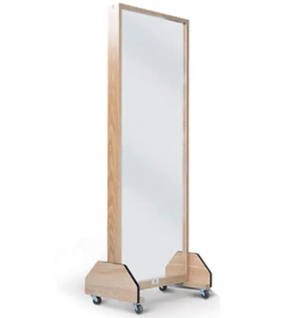
Posture mirror on casters 1671
₹49,234
New
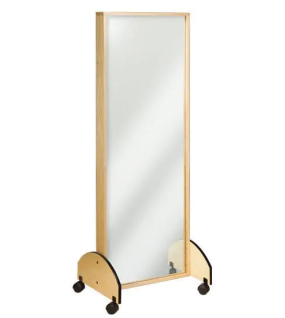
Posture mirror on casters 6210
₹57,614
New
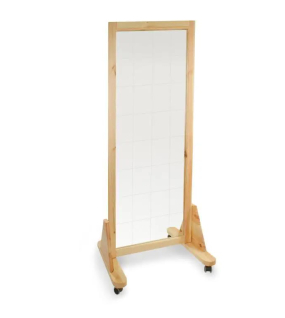
Posture mirror on casters LK 1
₹59,152
New
New
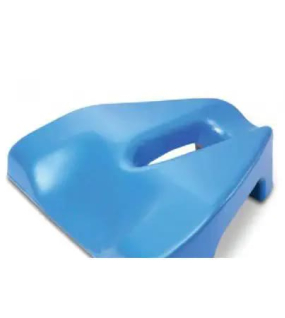
Support cushion Pron Pillo®
₹18,720
New
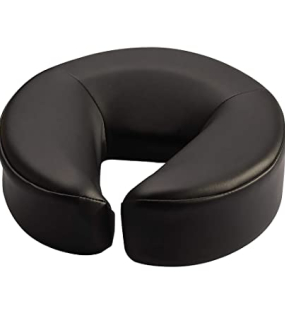
Massage table cushion
₹2,759
New

Face positioning cushion
₹11,324
New
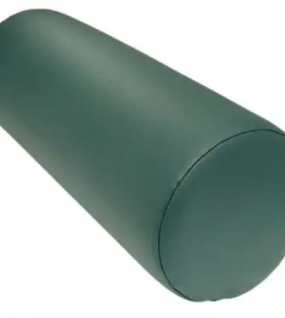
Positioning bolster
₹8,917
New

Positioning bolster DUTCHMAN
₹9,544
New

New
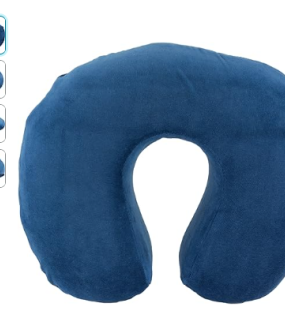
New
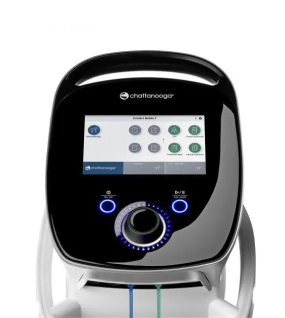
New
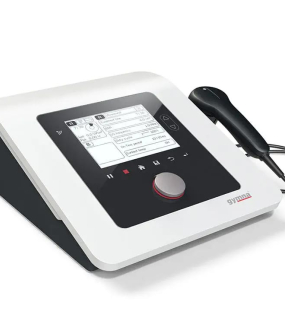
Ultrasound diathermy unit Pulson 200
₹327,393
New

Electric stimulator Genesy 3000
₹158,241
New

Electric stimulator Genesy 1500
₹144,716
New
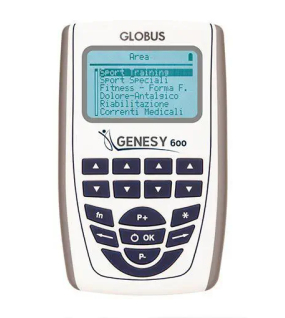
Electric stimulator Genesy 600
₹94,674
New

Electric stimulator R-C1
₹8,107


New

New
Massage chair 2703
₹18,213
New
Posture mirror on casters 1671
₹49,234
New
Posture mirror on casters 6210
₹57,614
New
Posture mirror on casters LK 1
₹59,152
New
New
Support cushion Pron Pillo®
₹18,720
New
Massage table cushion
₹2,759
New
Face positioning cushion
₹11,324
New
Positioning bolster
₹8,917
New
Positioning bolster DUTCHMAN
₹9,544
New
New
New
New
Ultrasound diathermy unit Pulson 200
₹327,393
New
Electric stimulator Genesy 3000
₹158,241
New
Electric stimulator Genesy 1500
₹144,716
New
Electric stimulator Genesy 600
₹94,674